
Rail Freight
Rail vs Road Freight: Cost, Speed and When to Use Each
4 min read
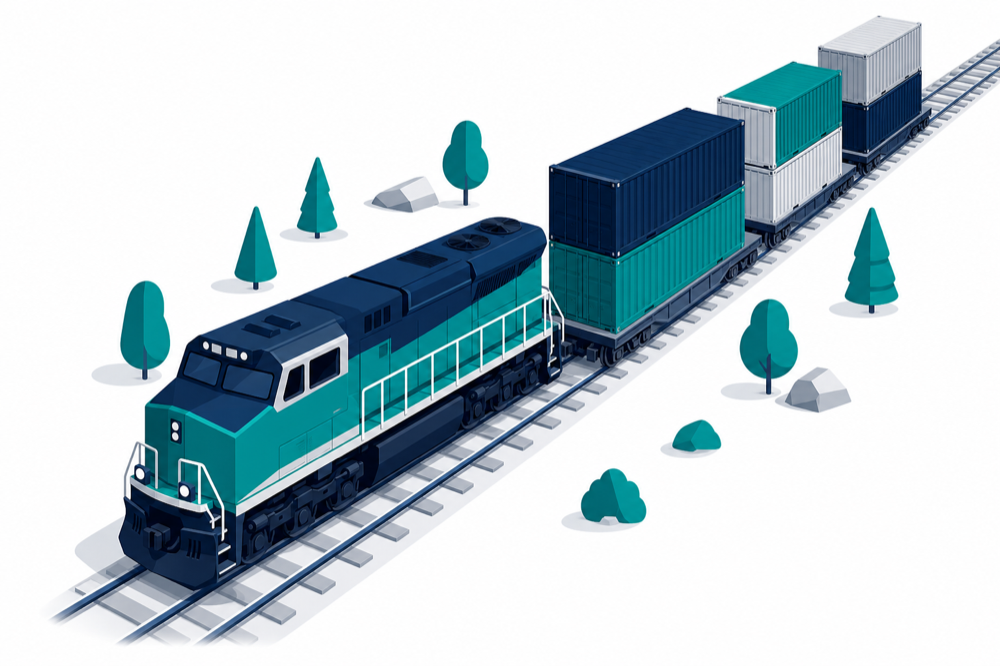
Rail and road are complementary land modes, not rivals. Knowing the strengths of each helps you build a cost-effective domestic or inland leg.
Where rail wins
- Lower cost per tonne over long distances.
- Lower emissions per tonne-km.
- Reliable scheduling for large, steady volumes.
Where road wins
- True door-to-door delivery without transfers.
- Flexibility for smaller volumes and changing routes.
- Better for shorter hauls and time-sensitive cargo.
Using both together
Many shipments combine the two: rail handles the long inland haul between terminals, and trucks cover the first and last mile. This multimodal approach captures the cost of rail with the reach of road.