
Rail Freight
Rail Connectivity and ICDs: Bringing Ports Inland
4 min read
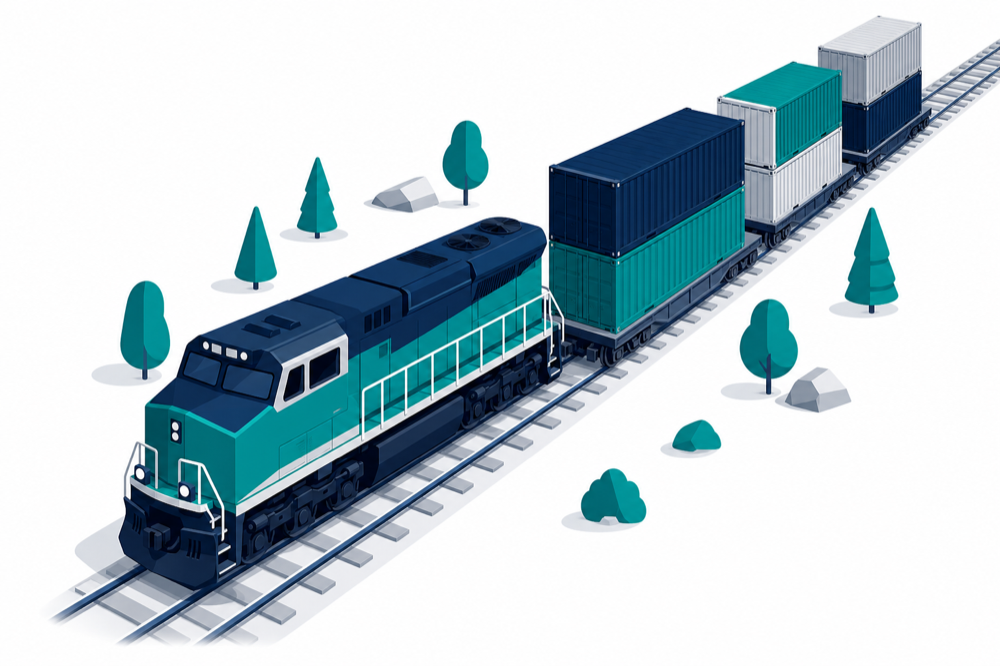
Inland Container Depots (ICDs) connected by rail extend the reach of seaports deep into the country. For inland businesses, they turn a distant coast into a local clearance point.
Why rail-linked ICDs matter
An ICD lets containers be stuffed, de-stuffed and customs-cleared inland, then railed to and from the gateway port. This reduces long road hauls, eases port congestion and brings shipping services closer to inland industry.
A typical inland flow
- Export cargo is stuffed and cleared at the ICD.
- Containers move by rail to the gateway port.
- At the port they are loaded onto the ocean vessel.
- Imports follow the reverse path, clearing at the inland ICD.