
Land & Road Freight
How Road Freight Works: Trucking Explained
5 min read
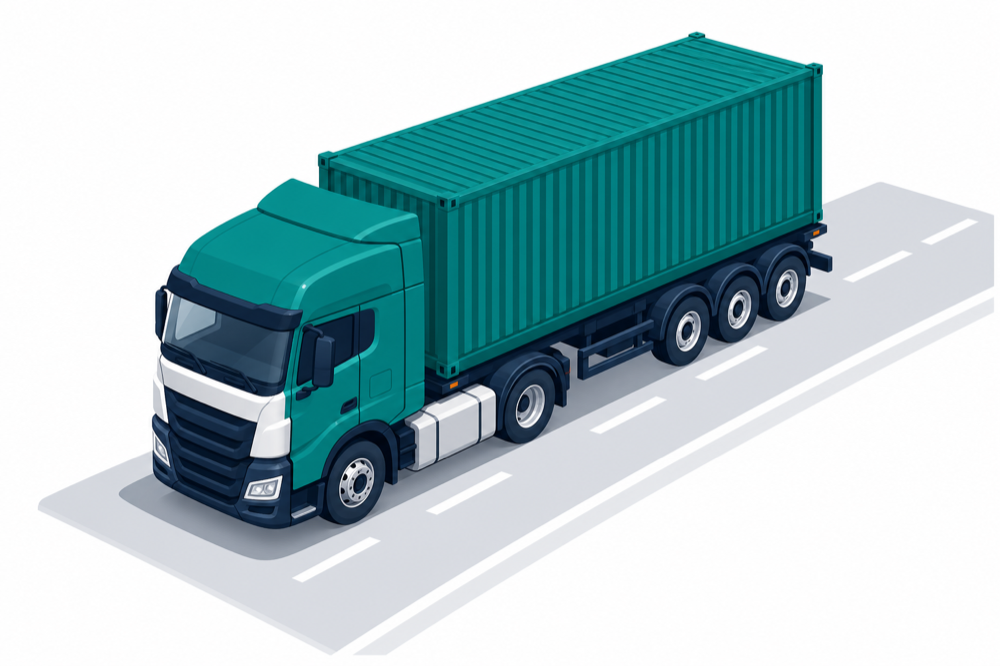
Road freight is the connective tissue of almost every shipment. Even cargo that crosses oceans or continents usually starts and ends its journey on a truck. This guide explains how road freight works and where it fits.
What road freight does
- First mile: collecting cargo from the factory or warehouse.
- Line haul: moving goods between cities, ports or terminals.
- Last mile: delivering to the final consignee address.
- Drayage: short hauls of containers to and from ports and rail yards.
FTL and LTL
Full Truckload (FTL) means your cargo fills a whole truck and travels directly. Less than Truckload (LTL), called part-load in India, means your goods share a vehicle with other consignments. FTL is faster and lower-risk; LTL is economical for smaller volumes.
Where road fits with other modes
Road freight is flexible and reaches places ports and railheads cannot. It is often combined with ocean, air or rail in a multimodal journey, handling the legs at each end while the long haul moves by a cheaper mode.