
Land & Road Freight
FTL vs LTL (Part-Load): Which Trucking Option to Choose
4 min read
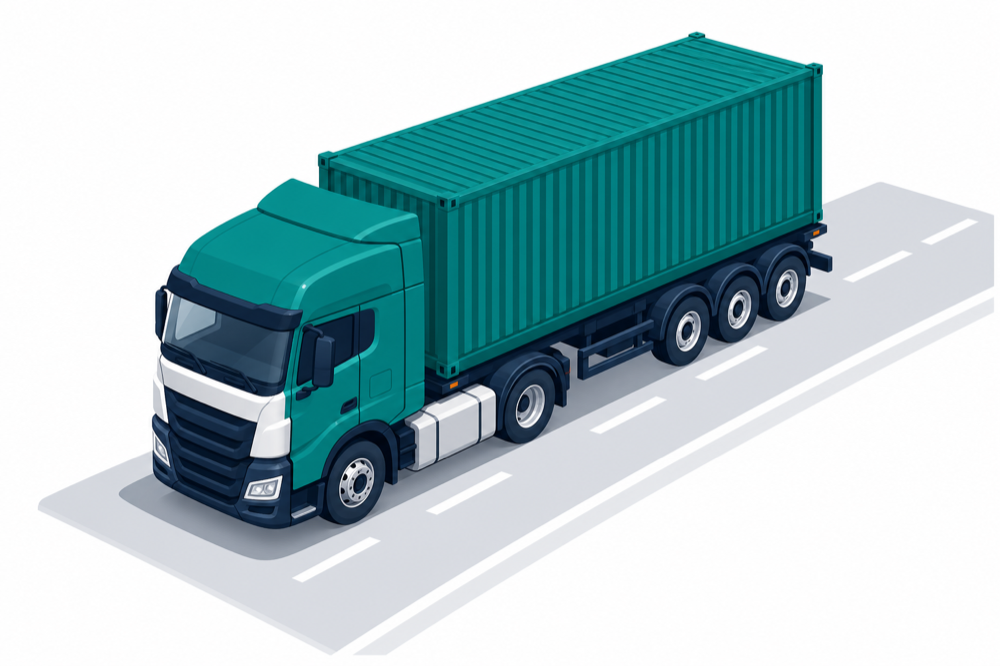
Choosing between Full Truckload (FTL) and Less than Truckload (LTL, or part-load) is the road-freight equivalent of FCL vs LCL. The right choice depends on volume, urgency and how much handling your cargo can tolerate.
Full Truckload (FTL)
FTL dedicates an entire vehicle to your shipment. It travels directly with no transfers, so it is faster and has lower handling risk. FTL makes sense when you have enough volume to fill or nearly fill a truck, or when cargo is fragile or time-sensitive.
Less than Truckload (LTL / part-load)
LTL shares a truck among several shippers. You pay only for the space and weight you use, which is economical for smaller consignments. The trade-off is more handling at consolidation points and slightly longer, less predictable transit.
A simple rule of thumb
- Small volume, cost-sensitive, flexible timing: choose LTL.
- Large volume, urgent, fragile or high-value: choose FTL.
- Frequent small shipments to the same lane: compare both, as scheduled LTL can win.