
How It Works
How Ocean Freight Works: Step by Step
6 min read
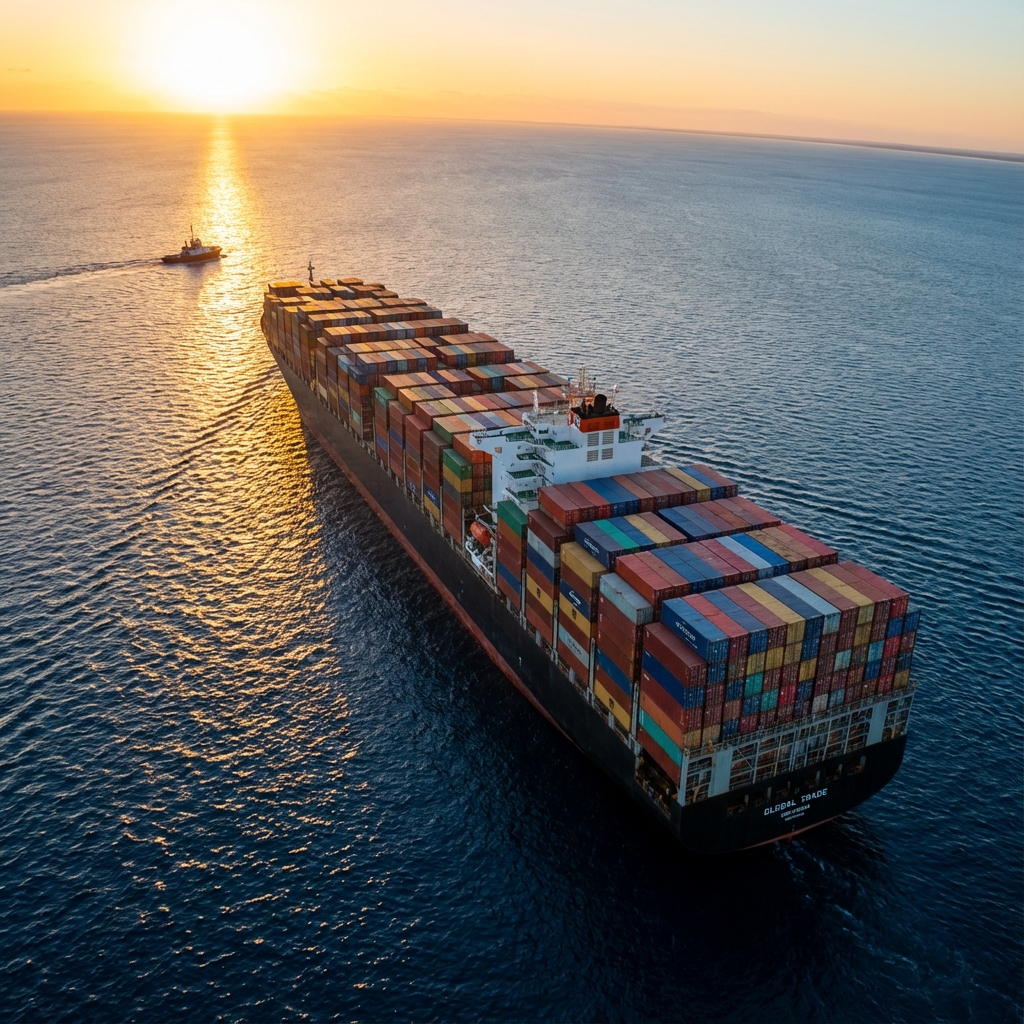
Ocean freight moves the vast majority of world trade by volume. Understanding the steps from booking to delivery helps you plan timelines, costs and documentation with confidence.
The ocean freight journey
- Booking: the forwarder reserves space with a carrier for your cargo.
- Origin handling: cargo is packed, stuffed into a container and brought to the port or CFS.
- Export clearance: customs documentation is filed and the container is loaded.
- Main carriage: the vessel sails, sometimes via a transhipment hub.
- Destination: the container is discharged, cleared by customs and delivered.
FCL vs LCL
With Full Container Load (FCL) you book a whole container; with Less than Container Load (LCL) your cargo shares a container with others. FCL is faster and lower-risk, while LCL suits smaller volumes that cannot fill a container.
Documents and transhipment
Key documents include the commercial invoice, packing list and bill of lading. Many routes involve transhipment, where containers transfer between vessels at a hub port, which adds time but expands routing options.