
How to Import from China to India: Process, Ports & Costs
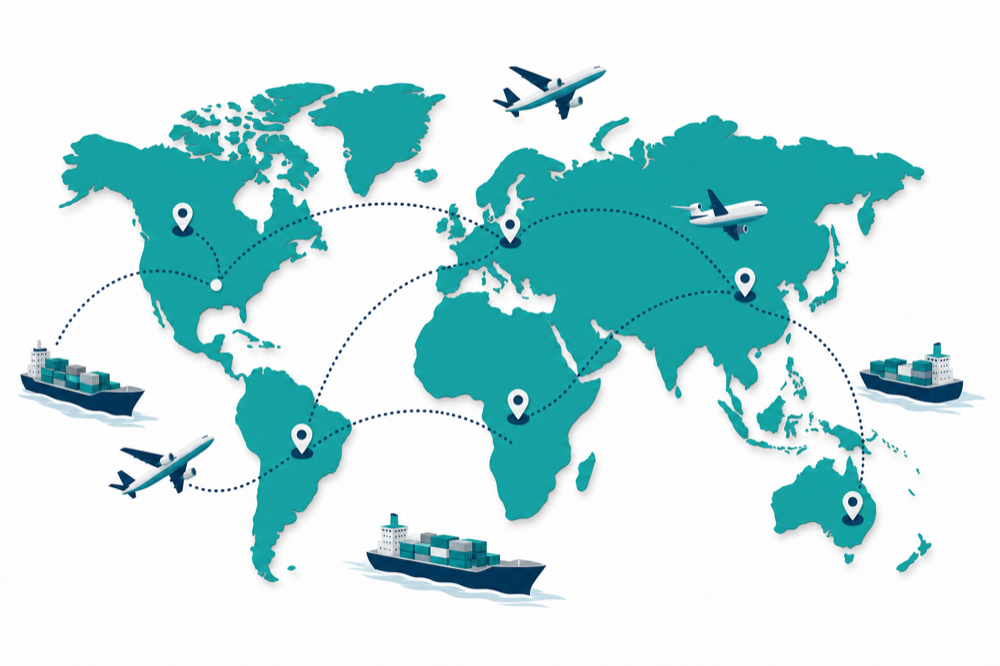
China is the leading source of imports into India, from electronics and machinery to chemicals and consumer goods. This guide walks through the import process, ports, duties and documentation.
The import process step by step
- Agree commercial terms (Incoterm), price and lead time with the supplier.
- Supplier ships from a Chinese port; you receive the bill of lading or air waybill.
- Your customs broker files the Bill of Entry electronically in India.
- Customs assesses HS classification, value, duty and IGST.
- Pay duty and taxes; customs may examine the cargo on a risk basis.
- Goods are given out of charge and moved for delivery.
Ports and routes
Cargo from Shanghai, Ningbo, Shenzhen, Qingdao or other Chinese ports usually arrives at Indian gateways such as Nhava Sheva, Mundra, Chennai or Kolkata, often via a transhipment hub like Singapore or Colombo. Inland buyers can have containers railed to an Inland Container Depot (ICD) closer to them for clearance.
Duties, IGST and landed cost
Imports attract Basic Customs Duty plus IGST, and sometimes additional cesses or anti-dumping duties on specific goods. Your landed cost is the product price plus freight, insurance, duty, IGST and local charges. Getting the HS code right is essential because it determines the duty rate.
Registrations and documents
- IEC and GSTIN registered to the importer.
- Commercial invoice, packing list and bill of lading or air waybill.
- Bill of Entry filed with customs.
- Product-specific approvals where required (for example BIS for certain goods).